1. Safety first
The team confirms the vehicle is released, then suits up and secures the area around it.
Fannett, TX · Jefferson County
Call (877) 812-4220 if a vehicle in Fannett needs more than a wash. The work includes cleaning up blood and body fluids, treating smells that cling to fabric and disposing of contaminated parts.
If anyone is in danger, call 911 first. For a suicide crisis, call or text 988.
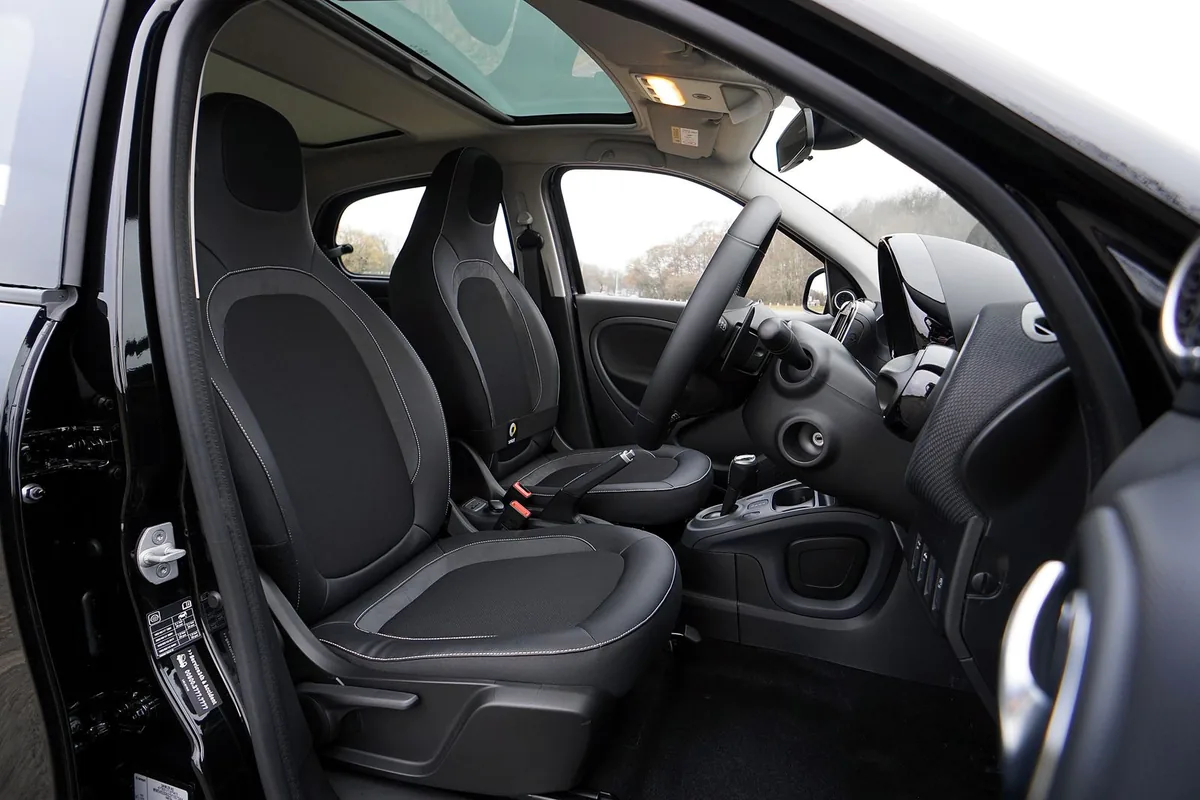
Hazmat car cleaning is the common name for decontaminating a vehicle that holds hazardous material, usually blood or body fluids. The work follows bloodborne pathogen safety rules and ends with regulated disposal.
Cleaners work quietly in Fannett and treat your vehicle with discretion when you call Fannett Biohazard Cleanup Help. The service covers private cars, work vehicles and fleets in Jefferson County.
If a vehicle in Jefferson County is part of an investigation by the Jefferson County Sheriff's Office, ask officers when it is released before cleanup begins. Anyone hurt in a vehicle incident should be seen at Riceland Medical Center in Winnie or by a doctor before anyone thinks about the cabin.
What vehicle biohazard cleanup covers:
The team confirms the vehicle is released, then suits up and secures the area around it.
Cleaners set up protection, seal off the working area and keep people away from the vehicle.
Contaminated materials come out first. The cabin is cleaned and disinfected, and odor is treated at its source.
The crew inspects each affected area, hauls away the waste and can provide notes for insurance claims.
Vehicle biohazard cleanup in Fannett, TX typically costs $500 to $5,000, depending on the size of the affected area and the materials involved.
Fleet and rental jobs may involve several vehicles, scheduling around business needs or documentation for a manager, which affects the total.
| Type of job | Typical range |
|---|---|
| Vehicle biohazard cleanup | $500 - $5,000 |
Published ranges only (BioCleaners Directory); every vehicle biohazard cleanup job in Fannett is priced after an on-site look. Price drivers include type of interior materials, how serious the event was, time since the event, air system decontamination. Questions? Call (877) 812-4220.
A salvage vehicle is one an insurer has declared a total loss. Some are also tagged for contamination when blood or fluids were involved. Labels and rules vary, so ask the insurer or the state title office what applies to a specific vehicle.
Yes. Blood can carry bloodborne pathogens such as hepatitis B and HIV. Dried blood can still be hazardous, and enclosed cabins hold odor. That is why the area is cleaned with protection and disinfected.
Often, yes. Crews can work in a driveway, garage or lot, depending on space, weather and the extent of the contamination. Some vehicles are moved to an enclosed space to keep the work private and contained.
Soaked foam, carpet and used supplies are sealed in leak-proof bags and handled as regulated medical waste, not ordinary trash. In Texas, companies that haul other people's untreated medical waste register with the Texas Commission on Environmental Quality.
A vehicle where a death occurred is cleaned only after law enforcement or the medical examiner releases it. The team removes contaminated materials, disinfects and treats odor, which can settle into seats, headliner and vents.
People use both phrases. Most of the time they mean decontaminating a vehicle that holds blood or other body fluids. Chemical spills are a separate hazard, and a cleanup team can say whether it can handle a specific one.
Call (877) 812-4220 and describe what is in the vehicle.
Call (877) 812-4220